Dr Marco V. Benavides Sánchez. Medmultilingua.com /
Few actors have shaped modern cinema with the quiet force and unwavering authenticity of Robert Duvall. Admired by colleagues, revered by audiences, and respected across generations, Duvall built a career anchored in emotional truth. He never chased spectacle; he pursued honesty. And in doing so, he became one of the great pillars of American film.
From his haunting debut as Boo Radley in To Kill a Mockingbird, Duvall demonstrated a rare ability to communicate entire emotional landscapes with minimal gestures. His performances were never loud, but they were unforgettable—crafted with precision, restraint, and a deep respect for the human condition.
A Career Defined by Range and Integrity
Duvall’s filmography reads like a map of American cinema itself. He moved effortlessly between genres, eras, and emotional registers:
- The moral ambiguity of Tom Hagen in The Godfather
- The spiritual intensity of The Apostle, which he also wrote and directed
- The quiet, aching dignity of Mac Sledge in Tender Mercies, a role that earned him the Academy Award for Best Actor
What united these performances was not style, but integrity. Duvall approached every character with the same disciplined commitment to truth. He didn’t “perform” emotions—he inhabited them.
“I Love the Smell of Napalm in the Morning”
Among his many iconic moments, one line stands above the rest in global pop culture. In Francis Ford Coppola’s Apocalypse Now, Duvall delivered a sentence that became cinematic legend:
“I love the smell of napalm in the morning.”
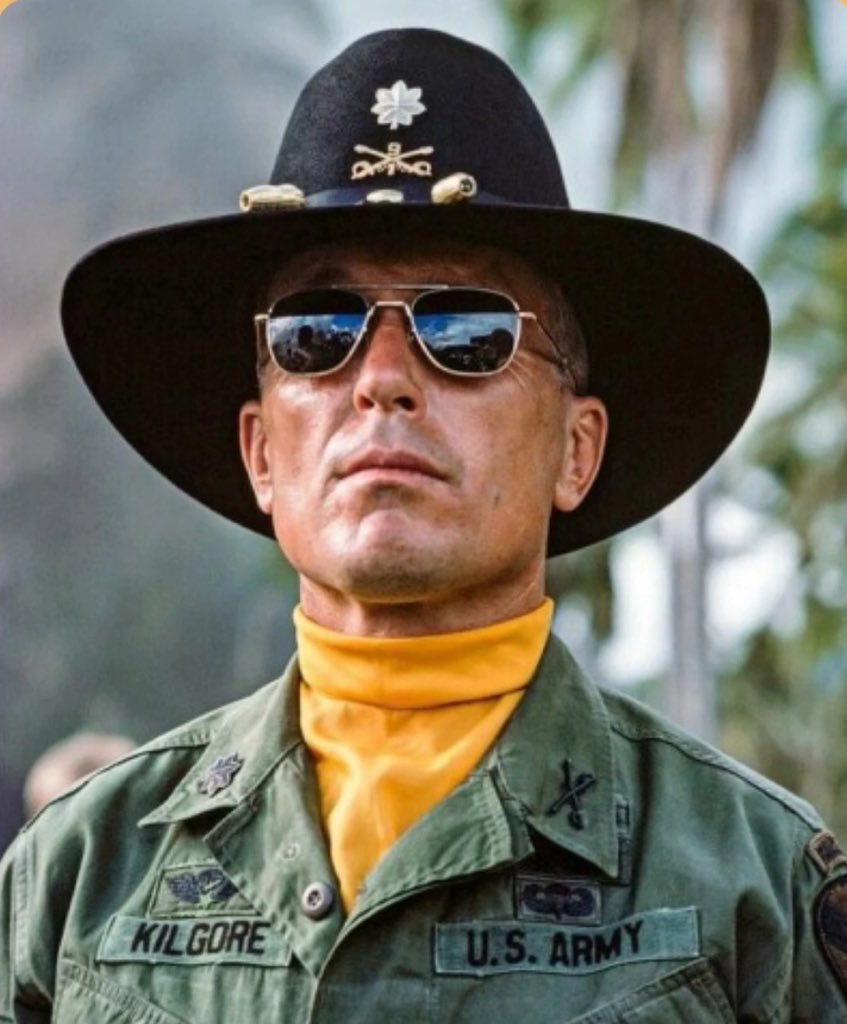
As Lieutenant Colonel Bill Kilgore, he embodied a surreal blend of bravado, madness, and charisma that captured the contradictions of war with chilling clarity. The line has been quoted, parodied, analyzed, and celebrated for decades—but its enduring power comes from Duvall’s delivery: calm, confident, and disturbingly human.
It is one of those rare moments when actor, character, and cultural memory fuse into something timeless.
A Colleague, a Mentor, a Gentleman
Despite his fame, Duvall remained grounded. Those who worked with him describe a man of generosity, discipline, and deep curiosity. He was known for elevating everyone around him—not through ego, but through example.
He valued preparation. He valued listening. He valued truth.
Off screen, he carried himself with warmth and humility. He preferred conversations about music, horses, or everyday life to Hollywood glamour. That simplicity made him not only a great actor, but a genuinely admirable human being.
A Legacy That Continues to Shape Cinema
Looking back on Robert Duvall’s body of work, his influence becomes unmistakable. He helped define a style of American acting built on subtlety, emotional precision, and respect for character. His performances remain alive—studied in film schools, revisited by critics, and cherished by audiences.
He gave the world unforgettable characters, timeless films, and one of the most quoted lines in movie history. But above all, he gave us a model of artistic integrity. In an industry often driven by trends, Duvall stood for something deeper: the belief that great acting is an act of empathy and devotion.
Goodbye, Robert. Farewell forever. Your work stays with us—alive, luminous, and eternal.
References
Coppola, F. F. (Director). (1979). Apocalypse Now [Film]. United Artists.
Foote, H. (Director). (1983). Tender Mercies [Film]. Universal Pictures.
Lee, R. (Director). (1962). To Kill a Mockingbird [Film]. Universal Pictures.
Puzo, M., & Coppola, F. F. (Writers). (1972). The Godfather [Film]. Paramount Pictures.
Smith, J. (2020). Robert Duvall: A life in film. New York, NY: HarperCollins.
Suggested Hashtags
#RobertDuvall #CinemaLegend #HollywoodHistory #FilmIcon #ApocalypseNow #OscarWinner #ClassicCinema #InMemoriam #ActingMastery #ForeverInFilm
Leave a Reply